Implant-Supported Dentures Can Solve the Problem of Missing Teeth
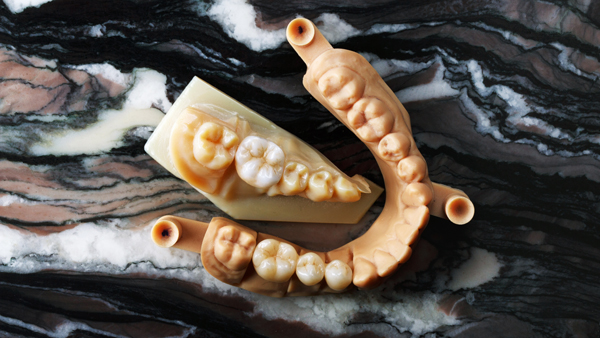
Implant-supported dentures are an excellent choice for patients who want a durable and easy option for replacing lost teeth. This restoration allows patients to enjoy their favorite meals once again and go about their regular activities with the denture securely in place. There is no need to worry about the dentures slipping or coming loose while speaking or eating. This will not only prevent embarrassment but also make life more bearable without a denture irritating your gums.
What are implant-supported dentures?
Traditional dentures are supported with natural suction, adhesives, or metal clips. Over time, the fitting slacks because the gums diminish naturally with aging, making the dentures uncomfortable and unstable. With implant-supported dentures, this problem is solved because they are securely held in place, and the fitting will remain the same for several years.
As the name implies, implant-supported dentures are supported by implants. Implants are tiny titanium posts that surgically inserted into the jawbone to replace the root of a tooth. The mechanism of this restoration entails using the implants as the foundation for a set of prosthetic teeth. The denture is still a set of dental crown connected to an acrylic material, but the fitting is entirely different. This mechanism makes implant-supported dentures a more reliable alternative than traditional dentures.
The benefits of implant-supported dentures
As mentioned earlier, they are more stable, but how is that possible? Aside from being the base on which the dentures sit, dental implants also help stimulate blood circulation around the gum and jaws to keep them alive. Blood circulation typically diminishes after a tooth is lost, leading to atrophy. The gums start to deteriorate, causing regular dentures to loosen after a few years. Inserting the implant into the jawbone keeps the gum stable, ensuring that the dentures stay tight after several years.
Implant-supported dentures can also withstand a stronger bite force, allowing the patient to eat a wider variety of foods without fear of denture slip. The result of the procedure is a dental restoration that is not only reliable but makes it possible to eat tougher foods instead of soft diets.
Getting implant-supported dentures
The process of getting this dental restoration starts with a consultation with the dentist. The dentist will examine the patient’s oral cavity to determine if this type of denture is suitable. Eligible candidates have to be in good health, free of oral health diseases and have enough healthy jawbone mass to support the implants.
The dentist will proceed to insert the implants through a simple dental surgery. Patients will need little recovery time, but a temporary denture will be provided before the permanent denture is ready. When the jawbone has fully healed, the patient will need to return to get the permanent restoration. The denture connects to the implants with a metal bar or rounded retainer.
Final note
Once the implant-supported dentures are in place, the patient will have a fully functional and beautiful-looking dental restoration that will last for several years. If you are missing multiple teeth, book an appointment with the dentist as soon as possible.
Request an appointment here: https://www.duncanvilletxdentistry.com or call Edward B. Miller, DDS & Associates, PA at (972) 455-8018 for an appointment in our Duncanville office.
Check out what others are saying about our dental services on Yelp: Implant Supported Dentures in Duncanville, TX.
Related Posts
Partial dentures are a great way to improve your smile, oral health, and ability to function by replacing missing teeth. It is helpful to have a full understanding of what partial dentures are and why they are often the more preferable treatment solution for patients to decide if treatment is right for you.This review defines…
Effective gum disease prevention starts with the right tools, and a deep-cleaning toothbrush helps you keep your gums healthy and free of gum disease. Many people assume that any toothbrush will work for their oral health needs. However, the specific design of the bristles makes a massive difference in the fight against gum disease and…
A full mouth reconstruction offers a path toward better oral health when multiple issues affect your teeth, gums, and jaw. Instead of solving one problem at a time, this method considers how the entire mouth works together, allowing you to transform a smile that feels worn down or unstable into a stronger, more comfortable one.…
Root canal treatment becomes necessary when the soft tissue inside a tooth, called the pulp, becomes inflamed or infected. This problem often develops after deep decay, a crack, repeated dental work, or trauma. A general dentist can evaluate symptoms early and recommend next steps that relieve pain and protect the natural tooth.A persistent toothache that…